Essential Gear Motors Tips for Global Buyers to Consider

Time:2026-08-23 Author:Henry
0%

In the world of industrial automation, Gear Motors play a critical role. Mark Thompson, a notable expert in the field, once said, "Choosing the right gear motor can make or break your project." Each gear motor serves specific applications, and understanding their nuances is vital for global buyers.

Navigating this market requires expertise and awareness of common pitfalls. Misunderstanding torque ratings or efficiency can lead to setbacks. Buyers often struggle with selecting the right specifications. This complexity can create challenges, especially in international transactions. Different standards across regions can further complicate decisions.

When investing in gear motors, consider factors like load requirements and environmental conditions. The right choice enhances performance and reduces downtime. Reflecting on past experiences, many buyers realized the importance of thorough research. Successful procurement blends technical knowledge with practical experience, ensuring optimal performance for various applications.
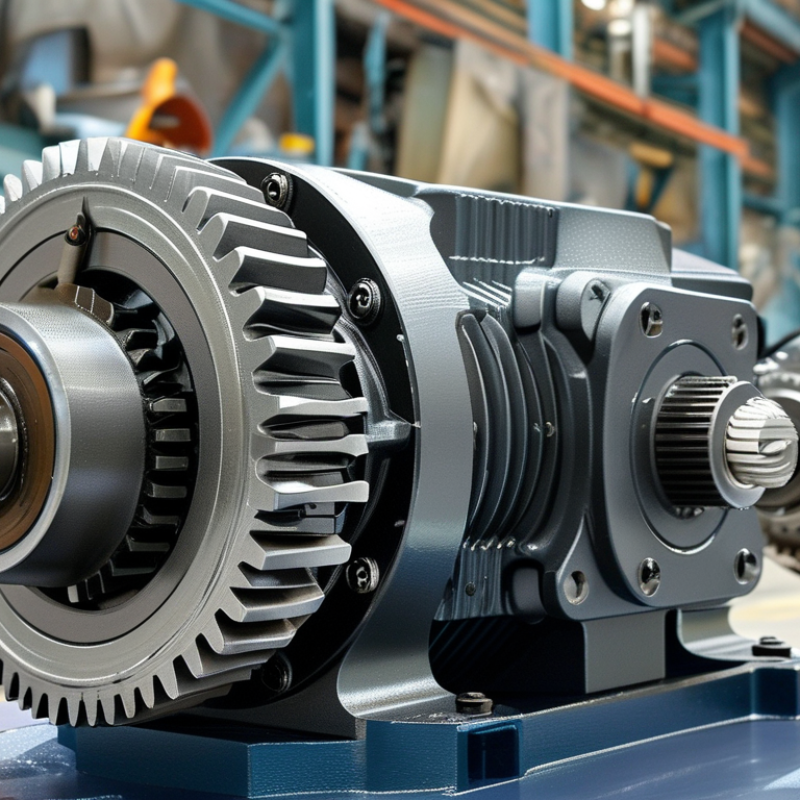
Essential Gear Motors Tips for Global Buyers to Consider

Understanding the Importance of Gear Motors in Global Markets

Gear motors play a crucial role in global markets, impacting various industries, from manufacturing to renewable energy. According to a recent report by MarketsandMarkets, the global gear motor market is expected to grow from $23 billion in 2022 to over $30 billion by 2027. This growth underscores the increasing importance of efficient and reliable gear motors in driving automation and productivity in diverse applications.

The significance of gear motors extends to their efficiency and adaptability. They are vital in applications that demand precise control and power reduction. Efficiency ratings indicate that high-performance gear motors can achieve up to 95% efficiency, helping to reduce energy consumption. However, buyers should consider challenges like fluctuating raw material costs and supply chain issues, which can impact gear motor prices and availability.

Understanding regional variations is also crucial. Emerging markets show a growing demand for smaller, more compact gear motors, driven by urbanization and industrialization. Yet, local regulations can affect the types of gear motors that are permissible in specific regions. Buyers need to navigate these complexities carefully, ensuring compliance while still obtaining the best technology for their needs. This landscape is dynamic, and insights are essential to make informed purchasing decisions.

Key Factors to Consider When Selecting Gear Motors for Your Needs

When selecting gear motors, buyers must focus on specific characteristics that match their applications. Efficiency is a primary concern. A motor's efficiency directly impacts its operational costs and performance longevity. Buyers should assess the motor's efficiency ratings. High-efficiency models may have a higher initial cost but save money in the long run.

Torque and speed are also crucial factors. Understanding the application requirements can guide choices in these areas. Gear ratio plays a significant role here. A proper gear ratio can optimize a motor’s performance, ensuring it provides adequate torque at required speeds. It's important to strike the right balance; too much torque can lead to overheating, while too little can hinder functionality.

Durability is essential for gear motors, especially in industrial settings. Consider the materials used in construction. Motors exposed to harsh environments should have protective features. Even the best motors can falter if not suited to their conditions. Regular maintenance checks can help mitigate unexpected failures. By reflecting on past experiences, buyers can avoid repeating mistakes and select more reliable options.

Types of Gear Motors and Their Applications Across Different Industries

When selecting gear motors, understanding the types and their applications is crucial. There are several categories of gear motors. They include planetary, spur, and helical gear motors. Each type has unique advantages. Planetary gear motors excel in high-torque applications. They are compact and efficient, making them ideal for robotics and automation.

Spur gear motors are straightforward in design. They provide reliable performance in various tasks, such as conveyors and lifts. However, their efficiency decreases with speed. Helical gear motors feature angled gears. This design allows for smoother operation and quieter performance. They are often used in industrial settings where noise reduction is essential.

Choosing the right gear motor involves careful consideration of the application requirements. Factors like load, speed, and torque must be assessed. Often, buyers overlook these criteria. It could lead to suboptimal performance. Ensuring the motor's compatibility can prevent operational issues later. Industrial gear motors face a broad spectrum of demands. Balancing efficiency and performance is key for successful adoption.

Evaluating Gear Motor Performance: Specifications and Reliability Metrics

When evaluating gear motor performance, it's crucial to focus on specifications and reliability metrics that matter. For global buyers, these factors can greatly impact the overall efficiency and operational longevity of equipment. A recent industry report indicates that about 30% of gear motor failures stem from inadequate specification alignment with application requirements. This highlighting why accurate performance metrics are vital.

Reliability metrics play a crucial role in decision-making. Buyers should consider parameters like mean time between failures (MTBF) and load capacity. MTBF can vary significantly, with some gear motors boasting over 15,000 hours of operation. Additionally, selecting motors with a high torque-to-weight ratio can enhance efficiency. Reflecting on past purchases, it’s essential to reassess if the correct specifications were chosen.

Take into account the environment where the gear motor will operate. Dust, humidity, and temperature can affect performance. An unsuitable motor can lead to inefficiency and increased maintenance costs. Exploring solutions in technical data sheets can provide insightful details about operational limits. Prioritizing gear motors designed for specific environments can help prevent issues and ensure reliability. Emphasizing key performance indicators can lead to better decisions and, ultimately, a more efficient operation.

Sourcing Gear Motors: Tips for Global Buyers to Ensure Quality and Value

When sourcing gear motors globally, quality and value must remain priority considerations. Understanding the specifications of the gear motor is crucial. Different applications require distinct motor types, speeds, and torque ratings. Conduct thorough research on the technical specifications before making a purchase. This enables better alignment with your operational needs.

Invest time in supplier verification. Not all manufacturers provide the same level of quality. Look for certifications that demonstrate a commitment to high standards. Ask for documentation about their quality control processes. This will aid in ensuring the gear motors meet specific performance criteria.

Consider the total cost of ownership beyond just the initial purchase price. Evaluate installation, maintenance, and warranty aspects. Sometimes, cheaper options may lead to expensive repairs and inefficiencies. Engage in dialogue with suppliers to clarify these costs upfront. Remember, a seemingly advantageous deal today may become a burden tomorrow.

Essential Gear Motors Tips for Global Buyers to Consider

Consideration Description Importance
Motor Type Choose between AC, DC, and stepper motors based on application needs. High
Torque Ratings Ensure the motor provides sufficient torque for your application. Critical
Efficiency Look for energy-efficient motors to reduce operational costs. High
Size and Weight Consider the physical dimensions and weight constraints for installation. Moderate
Operating Environment Factor in temperature, humidity, and potential exposure to dust or fluids. High
Quality Certifications Look for compliance with international standards such as ISO, CE. Critical
Supplier Reputation Research the manufacturer's history and customer reviews. High
Warranty and Support Check the warranty terms and after-sales support options. Moderate

FAQS

: What factors should I consider when selecting gear motors?

: Focus on efficiency, torque, speed, gear ratio, and durability. These factors ensure optimal performance for your application.

Why is motor efficiency important?

Higher efficiency reduces operational costs and extends performance longevity. It may cost more initially but saves money over time.

How does gear ratio affect gear motor performance?

A proper gear ratio optimizes torque at required speeds. Too much torque can cause overheating, while too little can hinder functionality.

What types of gear motors are available?

Common types include planetary, spur, and helical gear motors. Each type has unique advantages based on application needs.

What applications are spur gear motors suitable for?

Spur gear motors are reliable for tasks like conveyors and lifts. Their efficiency may decrease at higher speeds.

How can environment affect gear motor performance?

Factors like dust, humidity, and temperature can impact efficiency. A suitable motor for the environment is crucial.

What reliability metrics should I check?

Look for mean time between failures (MTBF) and load capacity. These metrics help ensure you choose a dependable motor.

Why is maintenance important for gear motors?

Regular checks can prevent unexpected failures. Reflecting on past issues helps improve future selections for reliability.

What mistakes should buyers avoid with gear motors?

Overlooking application requirements can lead to suboptimal performance. It’s vital to ensure compatibility for effective operation.

How can I enhance efficiency when selecting a gear motor?

Choose motors with high torque-to-weight ratios. Also, assess specifications carefully to match them to your application needs.

Conclusion

In today's global markets, understanding the role of gear motors is crucial for buyers across various industries. These components are essential for converting speed and torque in mechanical systems, making them integral to numerous applications. When selecting gear motors, key considerations include performance specifications, reliability metrics, and the specific needs of the intended application, ensuring that the chosen motors meet operational demands effectively.

Additionally, buyers must evaluate the types of gear motors available and their suitability for different industrial contexts, from automation to transportation. Sourcing gear motors requires diligence, as global procurement involves assessing quality and value to achieve optimal performance. By focusing on these critical factors, global buyers can make informed decisions that enhance their operational efficiency and project success.

Henry

Henry

Henry is a dedicated marketing professional with a profound expertise in the company's offerings. With years of experience in the industry, he possesses an impressive understanding of the market dynamics and consumer behaviors that drive success. Henry is committed to sharing his insights through......